Flood Insurance in Texas
Flooding can cause significant damage to homes, rental properties, and personal belongings. In Texas, heavy rainfall, hurricanes, tropical storms, and flash floods can create risks even in areas outside designated high-risk flood zones.
Most standard homeowners and renters insurance policies do not cover flood damage. A separate flood insurance policy can help protect your property or personal belongings against covered flood losses.
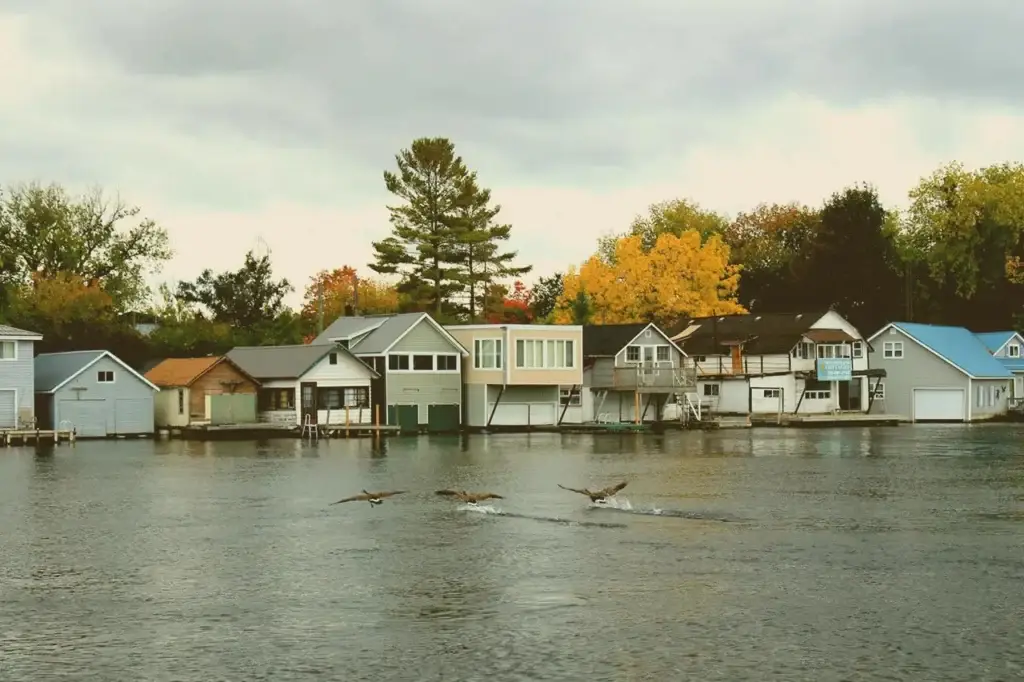
Protect Your Home and Belongings
What Is Flood Insurance?
Flood insurance is a separate type of insurance designed to help cover eligible losses caused by flooding. Unlike standard homeowners or renters insurance, which generally excludes flood damage, a flood policy provides specific coverage subject to its terms, limits, deductibles, and exclusions.
The coverage you need depends on your situation. Homeowners and landlords may need building coverage, while renters typically look for coverage for their personal belongings.
Why Is Flood Insurance Important in Texas?
Texas faces a range of flood risks, including intense rainfall, overflowing waterways, hurricanes, tropical storms, and flash flooding. Flooding can occur when water accumulates quickly or drainage systems cannot handle heavy rainfall.
Living outside a designated high-risk flood zone does not mean your property is free from flood risk. Flood maps are useful tools, but they cannot guarantee that a property will never flood.
If your property is in a designated high-risk flood area and has a mortgage, your lender may require flood insurance under applicable federal requirements. Even when coverage is not mandatory, it may be worth considering based on your property’s location and potential exposure.
What Does Flood Insurance Cover?
Flood insurance coverage depends on the policy you purchase. Under the National Flood Insurance Program (NFIP), eligible residential properties may qualify for separate building and contents coverage.
Building Coverage for Homeowners and Landlords
Building coverage can help protect an eligible insured structure against covered flood damage. Depending on the policy, covered property may include:
The building’s foundation and certain structural components
Electrical and plumbing systems
Certain permanently installed equipment and appliances
Eligible building materials and structural elements
Under the NFIP, building coverage for an eligible single-family residential property is generally available up to $250,000. Different eligibility requirements and limits apply to other property types.
If you own a rental property, make sure the policy reflects its use and ownership. A policy designed for an owner-occupied home may not be appropriate for every rental property.
Contents Coverage for Personal Belongings
Contents coverage can help pay for eligible personal belongings damaged by a covered flood. Depending on the policy, these may include:
Furniture and household items
Clothing and shoes
Electronics, including computers and televisions
Rugs and certain other personal belongings
Under the NFIP, eligible residential policies generally offer contents coverage up to $100,000, subject to policy terms and conditions.
Some items have special limits or eligibility restrictions. Artwork, collectibles, and other valuable belongings should be reviewed carefully before selecting your coverage.
Flood Insurance for Renters
Renters can purchase flood insurance to protect their personal belongings without insuring the building itself.
A landlord’s flood insurance generally protects the landlord’s insured property, not the tenant’s furniture, clothing, electronics, or other personal possessions.
For example, if floodwater damages your belongings in a rented apartment or house, your own flood contents coverage may help pay for eligible losses. Under the NFIP, eligible renters can generally purchase contents coverage up to $100,000 without purchasing building coverage.
Standard renters insurance generally excludes flood damage, so separate flood coverage may be needed.
What Does Flood Insurance Not Cover?
Flood insurance does not cover every type of water-related loss. Coverage depends on the policy and the circumstances of the damage.
Common limitations may include:
Water damage unrelated to a covered flood: A burst pipe or plumbing leak may be handled differently from flooding and may fall under another policy.
Certain personal belongings: Cash, valuable papers, vehicles, and some property stored in basements may be excluded or subject to special limits under an NFIP policy.
Temporary living expenses: NFIP policies generally do not cover additional living expenses, such as temporary housing, while a home is being repaired.
Property outside the policy’s coverage: Items, structures, or locations that do not meet the policy’s requirements may not qualify for payment.
Review the policy wording, exclusions, limits, and deductible before purchasing coverage.
How Much Does Flood Insurance Cost in Texas?
The cost of flood insurance varies by property and policy. There is no single premium that applies to every home or rental property in Texas.
Factors that may affect your premium include:
The property’s location and flood risk
The building’s characteristics and elevation
The type and amount of coverage selected
The deductible
The property’s occupancy and eligibility
The insurer’s rating method and underwriting requirements
Properties outside high-risk flood zones may qualify for relatively affordable coverage, but premiums depend on the individual property and policy details.
The best way to understand your potential cost is to request a quote based on your property and coverage needs.
More of our services
Is There a Waiting Period for Flood Insurance?
Many flood insurance policies, including most NFIP policies, generally have a 30-day waiting period before coverage becomes effective. Certain exceptions apply, including some situations involving a mortgage or a map change.
Because coverage may not begin immediately, it is important to explore flood insurance before a major storm or hurricane approaches. A policy generally cannot be purchased at the last minute to cover an imminent flood.
Confirm the effective date and any applicable waiting period before purchasing a policy.
How to Get a Flood Insurance Quote in Texas
To explore flood insurance options, be prepared to provide information such as:
The property address
Whether you own or rent the property
The property’s type and use
Building information, if applicable
The amount of personal property coverage you need
Any existing flood insurance and your preferred effective date
Ava Sure Insurance can help you review available options and request a flood insurance quote based on your circumstances.
Why Choose Ava Sure Insurance?
Flood insurance needs vary depending on whether you own a home, manage a rental property, or rent an apartment.
Understanding the difference between building coverage and contents coverage can help you identify the protection you need. Ava Sure Insurance helps customers explore insurance options and understand important coverage considerations before making a decision.
Frequently Asked Questions
Is flood insurance required in Texas?
Flood insurance is not required for every property in Texas. However, a lender generally requires it for a property in a designated high-risk flood area when applicable federal mortgage requirements apply. Coverage may still be worth considering when it is not mandatory.
Does homeowners insurance cover flood damage?
Most standard homeowners insurance policies do not cover damage caused by flooding. A separate flood insurance policy is generally needed for that protection.
Does renters insurance cover flood damage?
Most standard renters insurance policies exclude flood damage. Renters can consider separate flood contents coverage to protect eligible personal belongings.
Can I buy flood insurance if my home is outside a flood zone?
Flood insurance may be available even if your property is outside a designated high-risk flood zone. Flooding can occur in many areas, so consider your property’s individual risk rather than relying on the flood-zone designation alone.
How much flood insurance can I buy through the NFIP?
For an eligible single-family residential property, NFIP building coverage is generally available up to $250,000, while contents coverage is generally available up to $100,000. Eligible renters can generally purchase contents coverage without building coverage. Other property types may have different eligibility rules and limits.
How long does it take for flood insurance to become effective?
Many NFIP policies have a 30-day waiting period, although exceptions apply in certain circumstances. Confirm the effective date and any waiting period before purchasing coverage.
Protect Your Property with Flood Insurance
Flooding can happen even when you do not expect it. Whether you own a home, have a rental property, or rent your residence, reviewing your flood risk can help you make an informed decision about coverage.